


Opinion: The Lasting Effects of Our Silence - Ava Weinstein
- Feb 16, 2024
- 3 min read
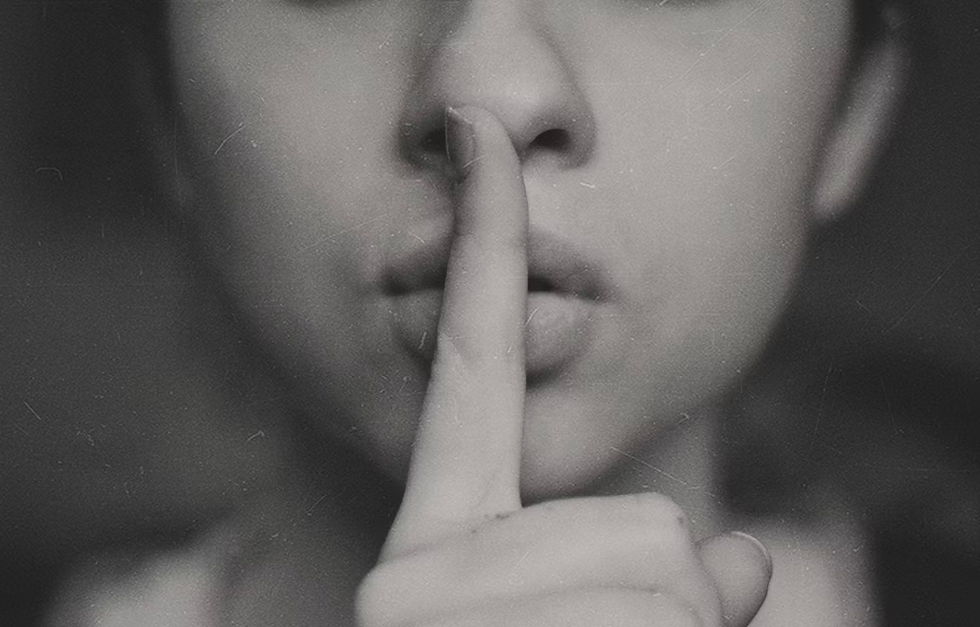
Image source: UnSplash Images
Education is sacred, and so are the spaces in which we learn. In the years since the #MeToo movement began, more and more survivors of campus sexual harassment and assault have come forward to share their stories, adding to the painful truth of how our institutions of higher education continue to fail at protecting their students, especially women. Some of these stories are decades-old, some mere months. The question arises: do we have a right to know these hidden histories — and these current events? Should all of this information be disclosed, and to whom?
The short answer is we only have a right to know whatever the victim wants us to. Survivors of sexual harassment find themselves stripped of their voices and autonomy, fighting to be heard, fighting to be believed. Sometimes, cases get broadcast on a national scale, like Anita Hill and Clarence Thomas or Christine Blasey Ford and Brett Kavanaugh, and suddenly the entire nation knows the sordid details of what can happen behind closed doors in workplaces and schools. Hill and Ford’s bravery was admirable. To have the strength to tell the world what happened to them and stand up to questioning and doubt in response is nothing short of extraordinary.
Though their abusers did not receive the punishment they deserve, through such testimonies, the public profile and awareness of these incidents increase. That’s critical if we, as a nation, are ever going to reach a point of consistently holding offenders accountable for their actions.
Silence breeds negligence and continued violence. If we continue to allow our silence to fester, female students will never feel safe on college campuses. By avoiding the realities presented to them by reports and complaints; by avoiding taking the steps to hold people accountable and keep students safe, universities across the country are perpetuating a vicious cycle of silence and fear.
Sometimes it’s as simple as people not wanting to face the truth. Everyone wants to believe that “that sort of thing doesn’t happen here” or “he would never do that,” devaluing and discrediting the real, lived experiences of survivors. This is what happens when stories are hidden, when higher-ups and administrators intentionally sweep things under the rug. This feeds directly into the hands of perpetrators. It leads to victim-blaming, the phenomenon of pass-the-harasser, and ultimately it means that systems don’t change.
Ann Olivarius, a leading lawyer in the area of sexual harassment in both US and UK universities, told The Guardian: “Young women are terrified about the consequences if they make a complaint, then when they do, the university’s chief concern is to protect its own reputation by keeping the whole thing quiet.”
This is exactly the problem we need to face. It’s time that we stop allowing the continuation of these patterns. We need to break our collective silence and put the pressure on colleges and universities to be accountable for what happens on their campuses. In order for people, in particular female students, to feel safe in institutions of higher education, there has to be dialogue. We need to talk openly about harassment and assault so that we can create a space in which it’s clear that this is not acceptable and not tolerated. Keeping quiet perpetuates the cycle. Keeping quiet perpetuates the patterns. It allows perpetrators to win, and it’s an insult to survivors.
—
Works Cited:
Brown, S., & Mangan, K. (2019). ‘Pass the Harasser’ Is Higher Ed’s WorstKept Secret. How Can Colleges Stop Doing It? The Chronicle of Higher Education. https://www.aps.org/programs/ethics/upload/Pass-Harasser-Higher-Eds-Worst-Kept-Secret.pdf
Weale, S., & Batty, D. (2017, November 28). Sexual harassment of students by university staff hidden by non-disclosure agreements. The Guardian. https://www.theguardian.com/education/2016/aug/26/sexual-harassment-of-students-by-university-staff-hidden-by-non-disclosure-agreements


Comments